

Are there any international standards for grain refiners for aluminium?
As a supplier of grain refiners for aluminium, I often encounter inquiries from customers about international standards for these crucial materials. Grain refiners play a vital role in the aluminium industry, significantly improving the mechanical properties, castability, and overall quality of aluminium products. In this blog, we will explore whether there are international standards for aluminium grain refiners and their implications for our business and customers.
The Importance of Grain Refiners in Aluminium Processing
Before delving into international standards, it's essential to understand the significance of grain refiners in aluminium processing. Aluminium is a widely used metal due to its excellent properties such as low density, high corrosion resistance, and good electrical conductivity. However, the as - cast structure of aluminium often contains large grains, which can lead to poor mechanical properties, reduced ductility, and increased susceptibility to cracking during casting and subsequent processing.
Grain refiners, typically in the form of master alloys containing elements like titanium (Ti), boron (B), and zirconium (Zr), are added to the molten aluminium. These elements act as nucleation sites during solidification, promoting the formation of a large number of small grains. A fine - grained structure enhances the strength, toughness, and formability of aluminium, making it suitable for a wide range of applications, from automotive components to aerospace parts.
Current International Standards for Aluminium Grain Refiners
In the global market, there are indeed some well - recognized international standards related to aluminium grain refiners. One of the most prominent standards is set by the International Organization for Standardization (ISO). ISO standards provide a framework for quality control, safety, and performance requirements for various products, including aluminium grain refiners.
ISO 11126 - 10:2018, for example, specifies the requirements for metallic coatings applied to steel substrates by hot - dip galvanizing after fabrication. Although not directly related to grain refiners, it reflects the overall quality - oriented approach in the metals industry. For aluminium grain refiners, ISO standards may cover aspects such as chemical composition, particle size distribution, and the presence of impurities.
The American Society for Testing and Materials (ASTM) also plays a significant role in setting standards for aluminium and its alloys. ASTM standards, such as ASTM B26 - 17, which covers aluminium - alloy sand castings, indirectly influence the requirements for grain refiners. These standards ensure that the final aluminium products meet specific mechanical and chemical property requirements, and grain refiners are an important factor in achieving these goals.
Regional and National Standards
Apart from international standards, many regions and countries have their own standards for aluminium grain refiners. In Europe, the European Committee for Standardization (CEN) develops standards that are widely adopted across the continent. These standards are often in line with ISO standards but may have some regional - specific requirements.
In Asia, countries like Japan and China have their own national standards for aluminium and related products. For instance, the Chinese National Standards (GB) provide detailed specifications for aluminium alloys and their processing materials, including grain refiners. These standards are crucial for ensuring the quality and safety of products in the domestic market and also influence international trade.
Implications for Our Business as a Supplier
As a supplier of grain refiners for aluminium, these international, regional, and national standards have a profound impact on our business. Firstly, they provide a clear benchmark for product quality. By adhering to these standards, we can ensure that our grain refiners meet the expectations of customers worldwide. This not only helps us build a good reputation in the market but also reduces the risk of product rejection and customer complaints.
Secondly, standards facilitate international trade. When our products comply with international standards, they can be more easily exported to different countries without facing significant regulatory barriers. This expands our market reach and allows us to serve a more diverse customer base.
However, meeting these standards also presents challenges. We need to invest in advanced production equipment and quality control systems to ensure that our grain refiners consistently meet the specified requirements. Additionally, we need to stay updated with the latest changes in standards to avoid non - compliance issues.
Related Products in the Industry
In the hardware and building materials industry, there are several related products that also rely on strict standards. For example, the Electrical Brass 3 - way Ball Valve is a crucial component in many plumbing and electrical systems. These valves need to meet high - quality standards to ensure reliable performance and safety.
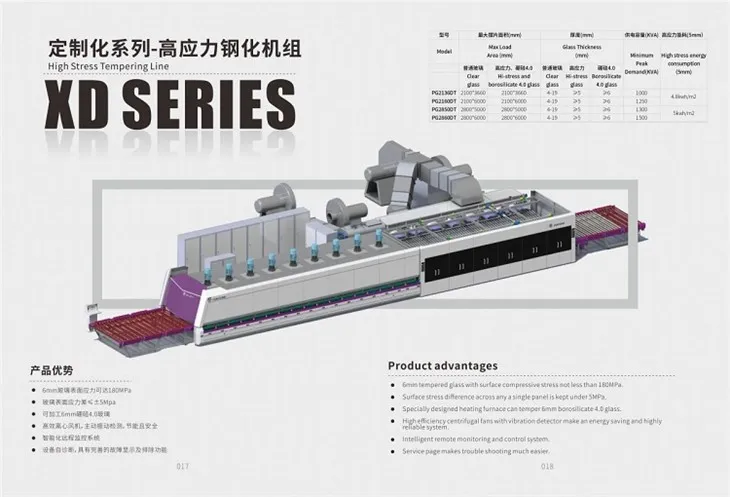
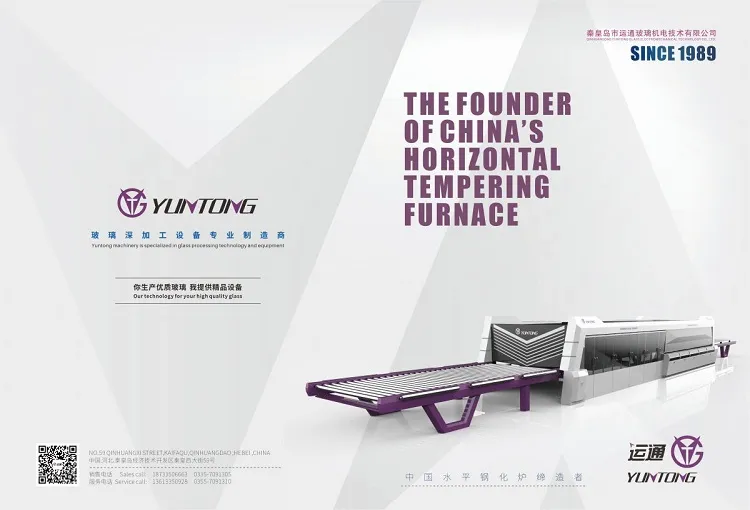
Another important product is the Glass Tempering Furnace Equipment. This equipment is used to produce tempered glass, which is widely used in building facades, automotive windows, and other applications. The quality of the equipment directly affects the quality of the tempered glass, and it is subject to strict industry standards.
The Three Layer Barrier Pipe is also an essential product in the building materials industry. These pipes are used for water supply, drainage, and gas transportation, and they need to meet specific standards for pressure resistance, corrosion resistance, and environmental protection.
Contact Us for Quality Grain Refiners
If you are in the market for high - quality grain refiners for aluminium, we are here to meet your needs. Our products are manufactured in strict accordance with international, regional, and national standards, ensuring excellent performance and reliability. Whether you are a small - scale aluminium foundry or a large - scale aerospace manufacturer, we can provide you with the right grain refiners to enhance the quality of your aluminium products.
We understand that every customer has unique requirements, and we are committed to providing customized solutions. Our experienced technical team can work closely with you to determine the most suitable grain refiners for your specific applications.
Don't hesitate to contact us for more information about our products and to start a procurement negotiation. We look forward to building a long - term partnership with you.
References
- ISO 11126 - 10:2018, Metallic coatings - Test methods for coatings applied by hot - dip galvanizing after fabrication
- ASTM B26 - 17, Standard Specification for Aluminum - Alloy Sand Castings
- Chinese National Standards (GB) related to aluminium alloys and processing materials.